With rapid urban development and high-rise architecture becoming the norm, elevator technology has evolved to meet the demands of modern infrastructure. Today’s elevators are designed not just for transportation but for efficiency, intelligence, and enhanced user comfort.
Advanced features such as destination control systems allow elevators to group passengers heading to similar floors, reducing waiting and travel time. This system optimizes traffic flow, particularly in commercial buildings during peak hours, improving operational efficiency.
Energy-efficient drives and regenerative systems help reduce power consumption by converting excess energy into reusable electricity. These advancements contribute to lower operational costs and support environmentally-friendly building practices.
Touchless technology, voice-activated controls, and mobile app integrations have also improved hygiene and convenience, especially in post-pandemic environments. These features make elevators safer and more accessible for diverse user groups.
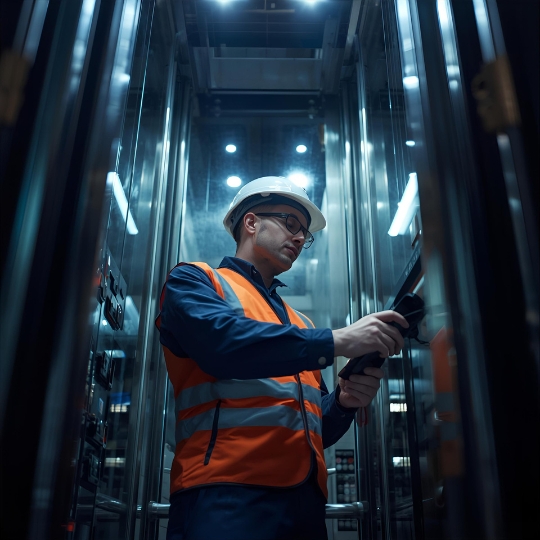
Smart elevators integrate with building management systems to monitor usage patterns, predict maintenance needs, and detect abnormalities. Real-time diagnostics allow service providers to resolve issues before they disrupt operations.
Modern elevator technology ultimately enhances property value, reduces energy consumption, and improves user experience. By upgrading to intelligent systems, building owners invest in safer, more efficient, and future-ready vertical transportation solutions.