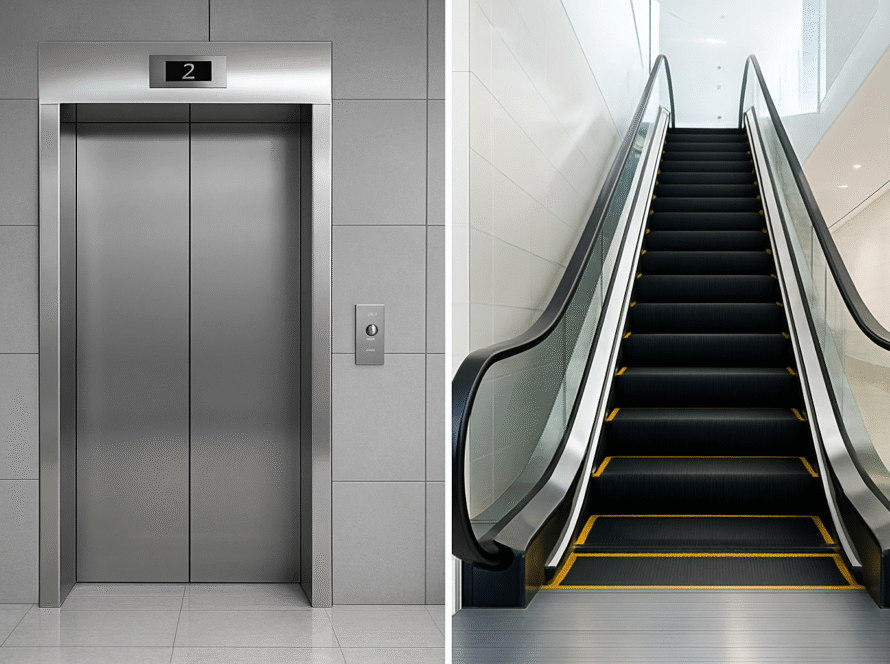
Elevators are essential to the smooth functioning of modern buildings, providing daily transportation for people, goods, and equipment. When elevators operate efficiently, they go unnoticed. However, when they fail, the impact can be significant, causing inconvenience, safety risks, and reputational damage to property managers and business owners.
Regular elevator maintenance plays a vital role in ensuring passenger safety. Through scheduled inspections and servicing, potential hazards such as worn cables, malfunctioning brakes, misaligned doors, or faulty sensors can be identified and corrected before they become serious problems. Preventive care significantly reduces the risk of accidents and system failures.
Maintenance also improves operational performance. Well-maintained elevators run more smoothly, quietly, and efficiently, providing a better user experience. This not only increases passenger satisfaction but also minimizes complaints and frustration among building occupants.
Another key benefit of routine maintenance is cost savings. Small issues detected early can be fixed at a fraction of the cost compared to major repairs or complete system replacements. Neglecting maintenance often leads to expensive emergency repairs and prolonged downtime.
From a legal and compliance perspective, regular maintenance ensures that elevator systems meet safety regulations and industry standards. Many regions require periodic inspections and certifications, and failure to comply can result in penalties or operational shutdowns.
Ultimately, investing in regular elevator maintenance ensures long-term reliability, enhances safety, extends equipment lifespan, and provides peace of mind for building owners and users alike. It is a proactive approach that prioritizes safety, efficiency, and sustainability.